
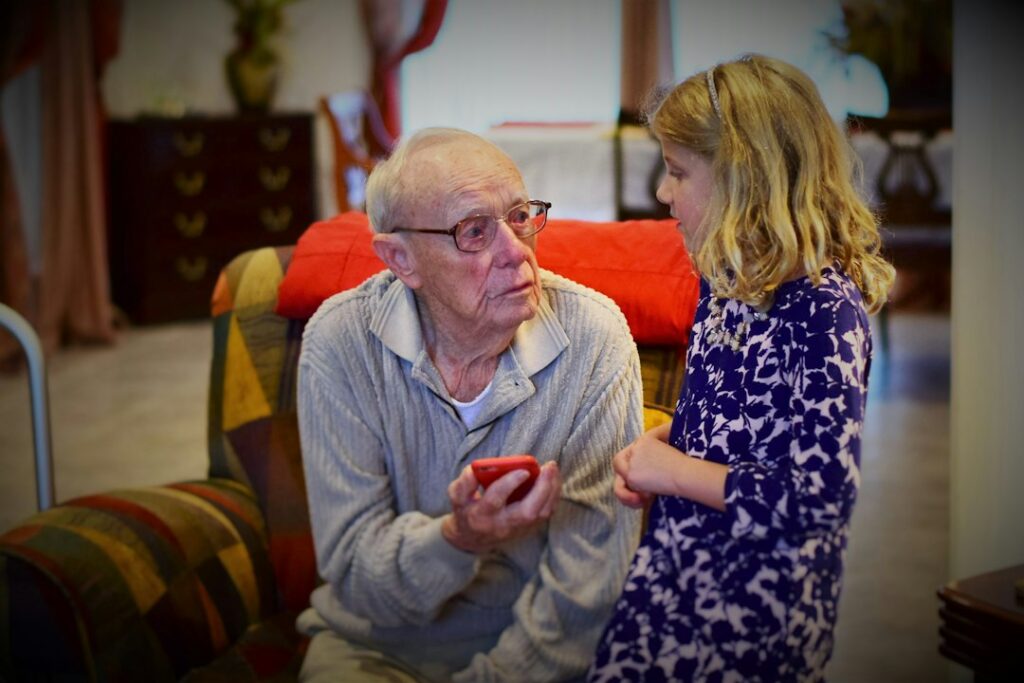
Visiting someone in assisted living can be meaningful for both the resident and the visitor. A thoughtful visit provides companionship, maintains family connections, and gives residents a chance to remain involved in the routines and relationships that matter to them.
At the same time, assisted living communities have shared schedules, privacy expectations, safety procedures, and residents with different health needs. Good visiting etiquette helps create a comfortable experience without disrupting care or the resident’s independence.
What should visitors do before arriving?
Visitors should confirm the community’s current visiting hours, entrance procedures, and any special requirements before coming. Policies may differ by community and can change during illness outbreaks, severe weather, or other safety concerns.
A quick check is especially useful if the visit is unplanned or if the resident recently moved in. Some communities may ask visitors to sign in, show identification, use a designated entrance, or notify staff of their arrival.
Before visiting, consider asking the resident or a family contact:
- What time of day is usually best?
- Does the resident have meals, therapy, activities, or medication routines during that time?
- Are there mobility, hearing, vision, or memory concerns to keep in mind?
- Would the resident prefer a quiet visit, a walk, or an activity?
Planning around the resident’s schedule is more respectful than assuming that any time is convenient.
How long should an assisted living visit last?
There is no universal ideal length. Many residents appreciate visits lasting 30 minutes to an hour, but the right duration depends on energy level, health, mood, and the purpose of the visit.
Shorter visits may be better when a resident becomes tired easily, has difficulty concentrating, or is adjusting to a new setting. A longer visit may be comfortable when the resident is relaxed and actively engaged.
Watch for signs that the resident needs a break:
- Repeatedly looking toward the door or clock
- Becoming unusually quiet or restless
- Appearing sleepy, uncomfortable, or overwhelmed
- Losing track of the conversation
- Saying they are tired, even indirectly
Ending while the visit is still pleasant can make future visits easier. A simple statement such as, “It was good to see you, and I’ll let you rest now,” gives the resident a clear and reassuring transition.
What topics are appropriate during a visit?
Conversation should follow the resident’s interests rather than focusing only on illness, limitations, or care needs. Familiar subjects such as family stories, hobbies, local memories, music, books, pets, recipes, and seasonal activities can help create a natural connection.
Visitors should avoid correcting every small mistake or testing the resident’s memory. If a person repeats a story or forgets a detail, responding with patience is usually more helpful than pointing it out.
For residents experiencing memory loss, conversation may work best when it is simple and familiar. Asking one question at a time, using names, and allowing extra time for responses can reduce frustration.
Sensitive subjects, including finances, family disagreements, medical decisions, or changes in living arrangements, should be discussed privately and calmly. Avoid arguing in front of other residents or raising concerns in a shared dining or activity area.
Should visitors bring food, gifts, or children?
Food and gifts can be welcome, but they should be chosen carefully. A resident may have dietary restrictions, swallowing concerns, diabetes, food allergies, or instructions related to medications. Ask the resident or staff before bringing homemade food, candy, alcohol, or large quantities of snacks.
Useful gifts are often simple and personal:
- Large-print books or magazines
- Family photographs in easy-to-handle frames
- A favorite puzzle or craft
- Comfortable seasonal clothing
- A small arrangement that does not create a safety or allergy concern

Avoid bringing clutter, fragile items, strong fragrances, or anything that could create a tripping hazard. In a private room, ask before rearranging belongings or adding decorations.
Children can be wonderful visitors when they are prepared in advance. Explain that the resident may speak slowly, use mobility equipment, or need quiet. Keep visits flexible, supervise young children, and step out if the resident or child becomes uncomfortable. The same applies to pets; animals may be restricted or require prior approval.
How can visitors respect privacy?
Residents have a right to privacy, even when family members are visiting. Knock before entering a room, wait for permission, and avoid opening drawers, closets, mail, or personal papers without consent.
Do not take photographs, record conversations, or post information online without permission from the resident and anyone else shown or heard. A casual picture may reveal another resident, a medical document, or a private area in the background.
Visitors should also protect private conversations. If a sensitive discussion begins in a shared space, ask whether the resident would prefer to move somewhere quieter. Do not discuss another resident’s health, behavior, or family situation with others.
Privacy also includes allowing the resident to make choices. Visitors should not speak for the resident automatically, take over personal tasks, or treat the person as though they cannot participate in decisions.
What should visitors know about safety and infection control?
Visitors should follow posted instructions and staff guidance regarding hand hygiene, masks, illness screening, and restricted areas. Anyone with fever, vomiting, diarrhea, a significant cough, or another contagious illness should postpone the visit.
During cold weather, icy conditions, or heavy rain, allow extra time to enter safely and avoid tracking water or snow onto smooth floors. Wear stable footwear and keep walkways clear of coats, bags, and mobility equipment.
Never leave a resident alone in a potentially unsafe situation without telling staff. This includes noticing a fall, sudden confusion, breathing difficulty, chest discomfort, or a major change in behavior. Visitors are not expected to diagnose a problem, but they should promptly alert a staff member.
Do not assist with transfers, medication, bathing, or other care tasks unless staff have specifically instructed and authorized it. An attempt to help can unintentionally cause a fall or interfere with the resident’s care plan.
How should visitors interact with staff?
Polite communication with staff supports the resident and helps prevent misunderstandings. Staff may need to interrupt a visit for medication, meals, personal care, transportation, or an urgent issue. That interruption is part of the community’s responsibility to all residents.
If a concern arises, describe what was observed rather than making assumptions. For example, “She seemed more tired than usual today” is more useful than “No one is paying attention to her.”
Questions about care, changes in condition, or safety should be discussed privately and through the community’s established communication process. Avoid criticizing staff in front of the resident, since this may increase anxiety or make the resident feel caught between people they depend on.
What if the resident does not want to visit?
A resident may decline a visit because of fatigue, pain, confusion, mood, or a desire for privacy. Respecting that choice does not mean abandoning the relationship. A brief note, phone call, card, photograph, or quiet presence at another time may be more appropriate.
Repeated refusals, sudden withdrawal, or a noticeable change in mood should be shared with the appropriate family contact or staff member, particularly if the behavior is unusual for that resident.
For households in White Oak, PA, winter weather and changing daylight can make travel more difficult for visitors and residents alike. Flexible scheduling, shorter visits, and regular phone contact can help maintain connection when an in-person visit is not practical.
Visiting etiquette is ultimately about treating the resident as an adult with preferences, privacy, and personal history. Arriving prepared, listening carefully, respecting boundaries, and working cooperatively with staff can make visits more comfortable and meaningful.
